Immigration and religious freedom
Immigration policy becomes a religious freedom issue when government actions make it harder for people to live, gather, and worship without fear. When state enforcement practices prevent communities from safely entering places of worship or participating in civic life, the conditions that make religious freedom possible begin to break down.
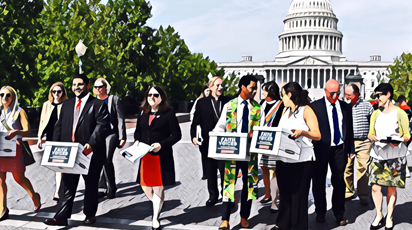
Across the United States, immigration enforcement has increasingly undermined those conditions. The erosion of protections for sensitive locations has allowed federal agents to conduct enforcement actions on church grounds and near places of worship. Mass raids, arrests near churches, the intimidation of pastors, and the dehumanizing treatment of immigrant and refugee communities have created an atmosphere of fear that keeps people from worshiping freely or participating fully in civic life.
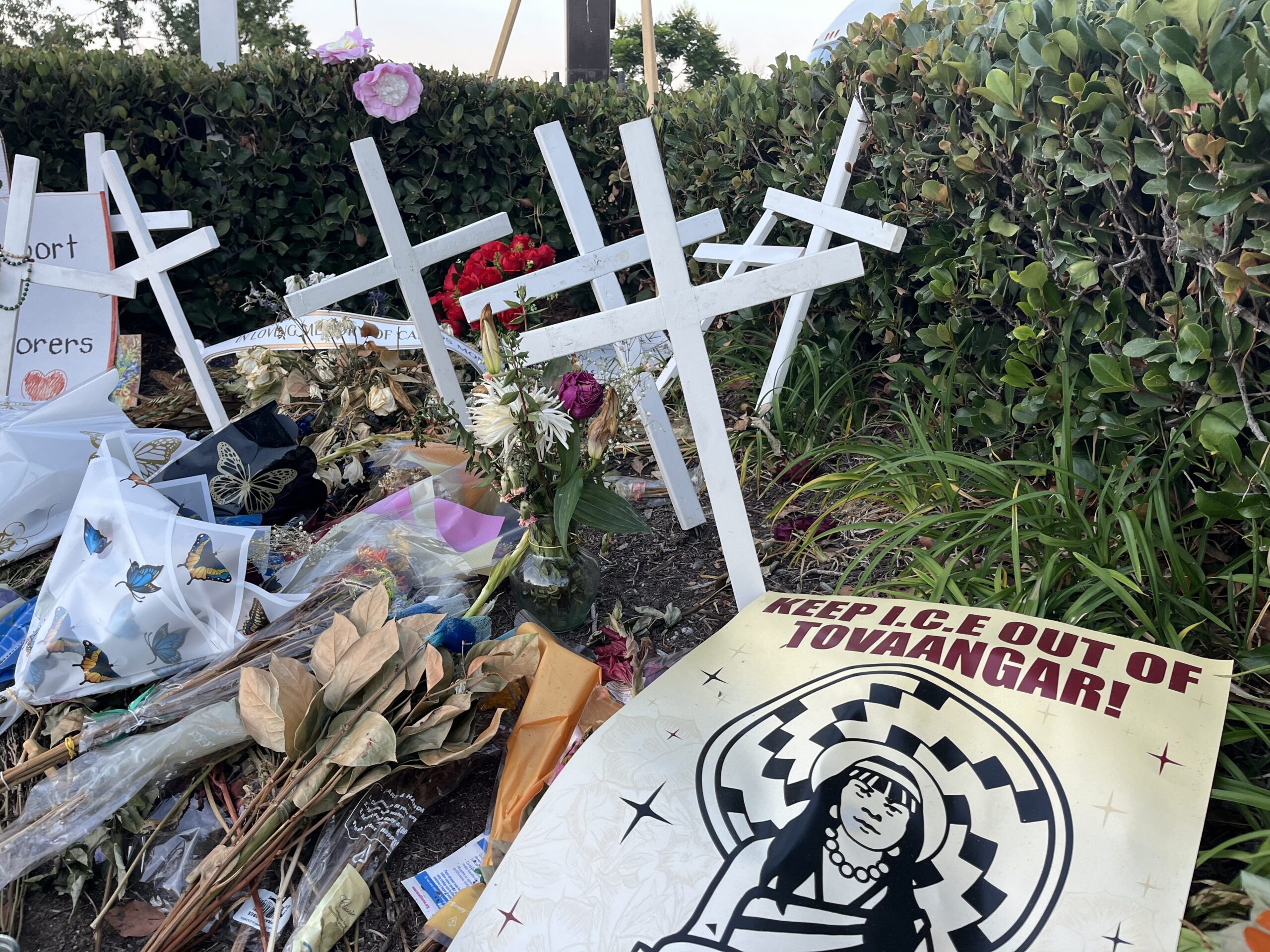
When state power is used this way, it weakens pluralism and threatens religious freedom not just in law, but in lived reality.
Here are some examples, resources, and ways you can engage.
Erosion of “sensitive location” protections
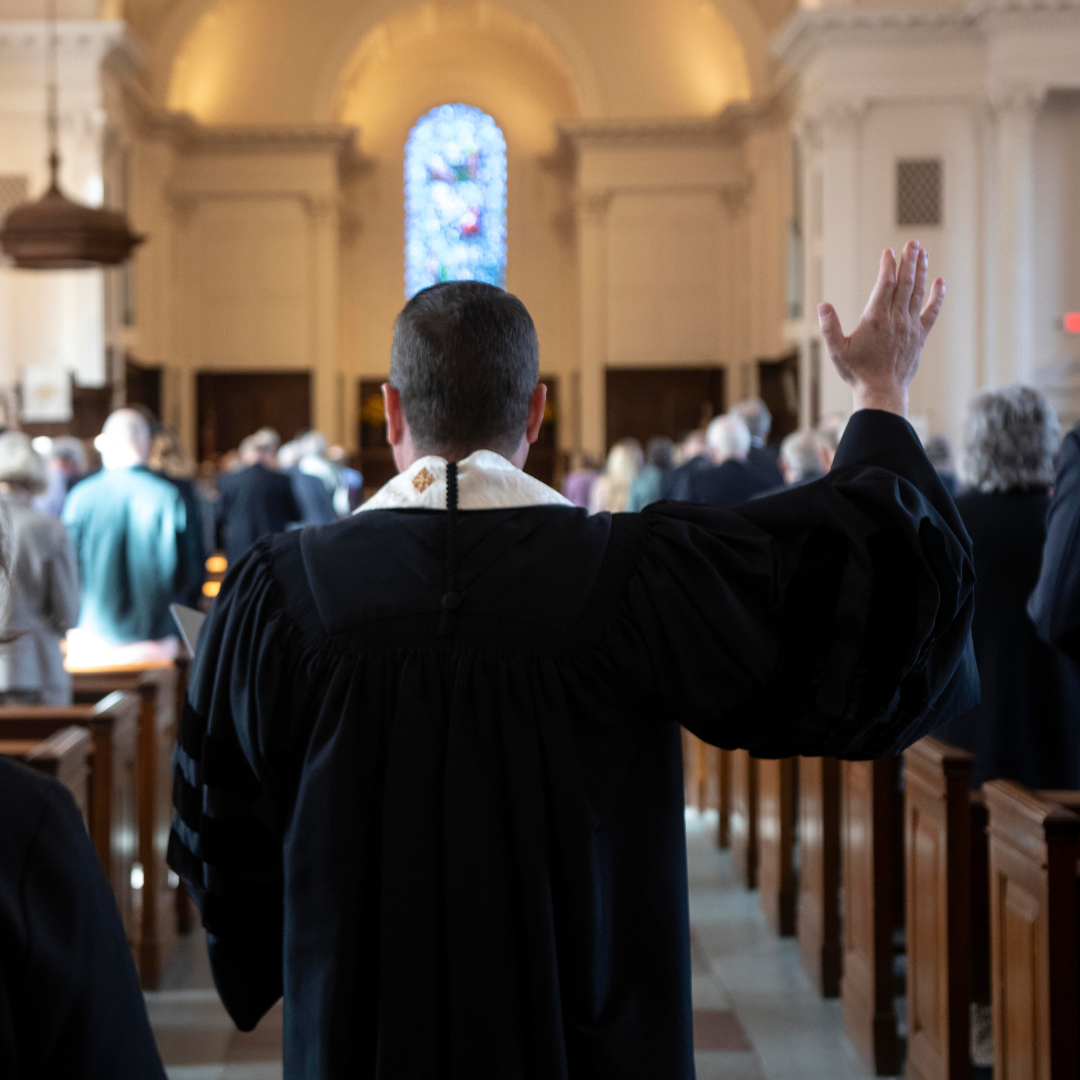
The Trump administration rolled back long-standing policies limiting enforcement in churches, schools, and hospitals in 2025. Doing so has made it unsafe for immigrants and refugees to gather, worship, or seek basic services, undermining pluralism in everyday civic life.
Take Action: Ask to pass the Protect Sensitive Locations Act
Ask your members of Congress to protect religious freedom by passing the Protecting Sensitive Locations Act (H.R.1061/S.455) into law – legislation that would prohibit immigration enforcement actions in houses of worship, health care facilities, schools, and childcare centers.
We have a form you can use to make it simple!
Active court cases: Senstive locations
There are four cases involving religious groups working to stop ICE enforcement in sensitive locations, including churches. Five of BJC’s member bodies are involved in litigation.
Philadelphia Yearly Meeting v. DHS
The Cooperative Baptist Fellowship joined a legal challenge Feb. 4, 2025, alongside a group of Quaker meetings and the Sikh Temple Sacramento, and a judge issued a temporary injunction that blocked immigration enforcement at houses of worship tied to those groups in 2025. For CBF congregations, there is a resource page to show churches what to do and how to make sure the injunction is respected. The case is known as Philadelphia Yearly Meeting v. DHS.
Evangelical Lutheran Church v. DHS
The Alliance of Baptists and American Baptist Churches USA are involved in a different lawsuit filed filed July 28, 2025. On Feb. 13, 2026, a judge issued a preliminary injunction preventing ICE from conducting warrantless enforcement at the houses of worship tied to the plaintiffs in the case, which is known as Evangelical Lutheran Church v. DHS.
Mennonite Church v. DHS
Fellowship Southwest and the Hispanic Baptist Convention of Texas joined a different lawsuit filed Feb. 11, 2025, but no injunction or ruling has been issued. “Whatever interest DHS has in enforcing immigration law, it cannot meet its burden of demonstrating that its interference with Plaintiffs’ religious practices is the least restrictive means of serving that interest,” according to the suit. This case is known as Mennonite Church v. DHS.
Pineros y Campesinos Unidos del Noroeste v. Noem
There is a fourth lawsuit known as Pineros y Campesinos Unidos del Noroeste v. Kristi Noem, brought by several churches and interfaith groups, as well as the National Education Association and American Federation of Teachers. Filed in April 2025, the case says “Civic gatherings, houses of worship, schools, and health clinics should be places for adults and children to assemble, celebrate, worship, learn, and heal—not zones for deportation enforcement.” No ruling has been issued in this case.
Other immigration-related cases
There are several cases in courts related to immigration, from individual lawsuits to items being heard by the U.S. Supreme Court. Here are two:
Birthright citizenship case: Trump v. Barbara
Can a president limit birthright citizenship through an executive order? That’s the issue in Trump v. Barbara, which the Supreme Court heard on April 1, 2026. On the day of his inauguration in January 2025, President Donald Trump issued an Executive Order that placed limits on birthright citizenship, noting that “The Fourteenth Amendment has always excluded from birthright citizenship persons who were born in the United States but not “subject to the jurisdiction thereof.”
The ruling is expected before the end of June.
See an animated explainer on this case from The Dispatch, featuring Sarah Isgur of Advisory Opinions and SCOTUSblog: https://www.youtube.com/watch?v=fJ-Lr7iBe-4
Asylum case: Noem v. Al Otro Lado
When someone is seeking the legal protection of “asylum” because they fear persecution or harm in their own country, at what point can they be screened by border officials and put into the asylum system in the United States? The Supreme Court heard a case about whether a person stopped on the Mexican side of the U.S.-Mexico border has technically “arrived” in the United States. According to the Immigration and Nationality Act, someone who arrives in the United States may apply for asylum. But, what “arrived” means is at the center of the dispute – often, arriving at a port of entry would count as “arrival” for the purposes of those seeking asylum. But, the Trump administration has been turning back asylum seekers in Mexico before they can reach the U.S. border.The Supreme Court heard this issue during arguments for Noem v. Al Otro Lado on March 24, 2026, and a decision is expected before the end of June.
More information: https://www.scotusblog.com/2026/03/court-appears-likely-to-side-with-trump-administration-on-rights-of-asylum-seekers/
How does immigration policy affect religious freedom in everyday life?
Mass raids and targeted enforcement in immigrant communities
Large-scale raids and surveillance create fear that keeps people from participating in civic life—attending worship, community meetings, or even leaving their homes—effectively excluding them from public life.
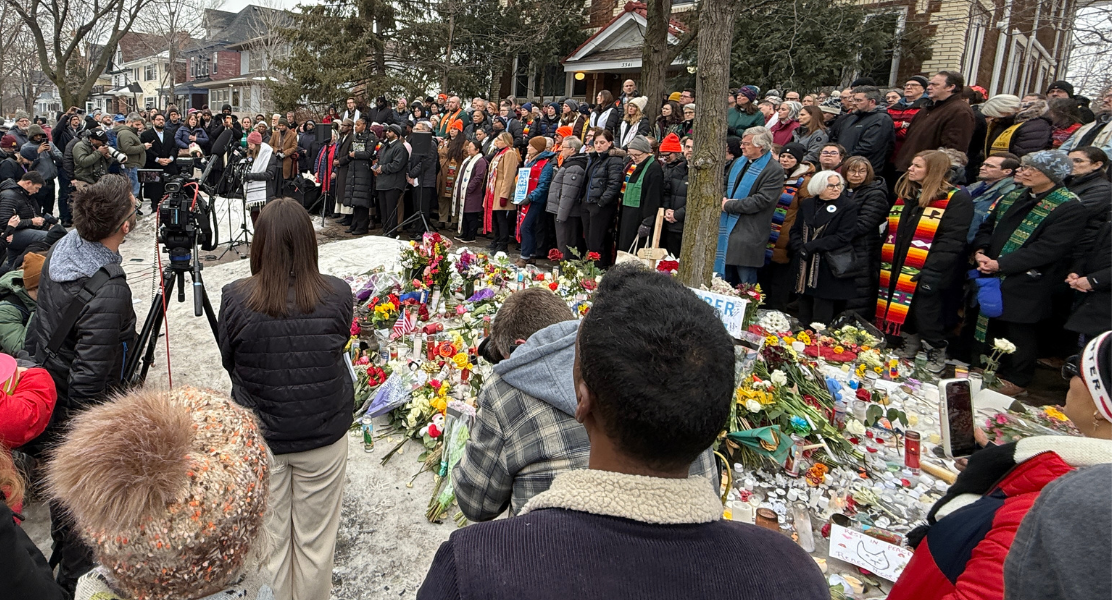
Intimidation of faith leaders and congregations
Reports of pastors and religious leaders being questioned, threatened, or confronted during enforcement actions discourage clergy from serving their communities and weaken the role of houses of worship as trusted civic anchors.
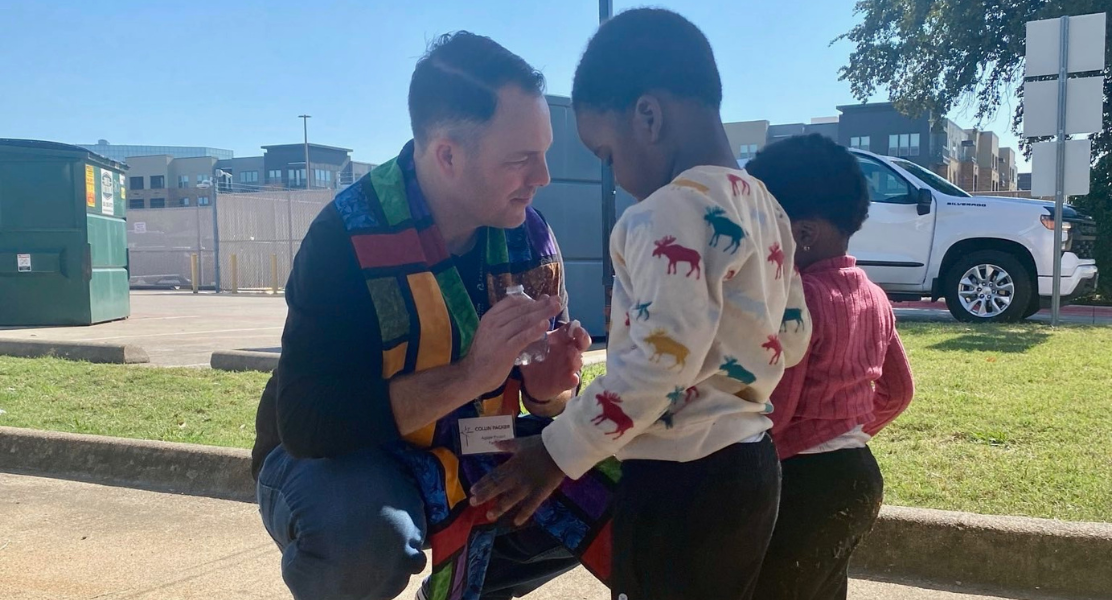
Detention and deportation practices that separate families
Policies that result in family separation disrupt religious life at its core, preventing parents and children from worshiping together and destabilizing faith communities built around care, continuity, and belonging.
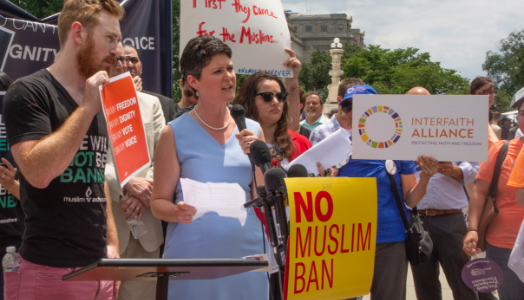
Travel bans
President Trump issued an executive order blocking entry from several majority-Muslim countries in January 2017. It followed campaign promises calling for a “total and complete shutdown of Muslims entering the United States,” explicitly tying immigration policy to religious identity. Later versions of the ban continued to restrict entry largely from majority-Muslim nations, reinforcing the message that Muslims were less welcome as participants in American civic life. We have a form you can use to ask your lawmakers to support the NO BAN Act
Refugee policies prioritizing Christians*
The Trump administration reshaped refugee admissions to prioritize Christian refugees, particularly from majority-Muslim countries, using religion as a criterion for protection and belonging.
Resources
Talking points

Coming soon!
Fact sheet
Coming soon!
Article: Senstive locations
Why is it important to defend churches and other sensitive locations from government intrusion? What changed in 2025? Read this column from BJC Chief Legal Officer Holly Hollman.